Peterborough sits on the River Nene in Cambridgeshire, approximately 75 miles north of London. It’s a city that doesn’t fit neatly into easy descriptions. The cathedral, whose Early English Gothic west front is among the finest in Europe, anchors the historic city centre, while the surrounding streets reflect the rapid expansion that followed the city’s designation as a new town in 1967.
That designation brought planned townships such as Bretton, Orton, and Werrington, each built to house a growing population drawn by the promise of employment and affordable housing.
The city’s growth has not slowed. Between the 2011 and 2021 censuses, Peterborough’s population rose by 17.4%, reaching around 215,700, one of the fastest rates of increase in the East of England. By 2026 the city ranked fifth among UK cities for population growth over the decade to 2024, and third for jobs growth at 23.9% over the same period.
These statistics inevitably translate into strong and consistent demand for both owner-occupier housing and rental property.
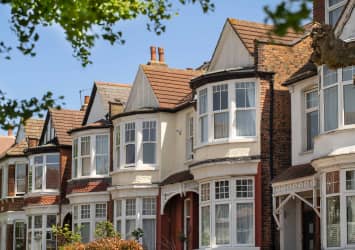
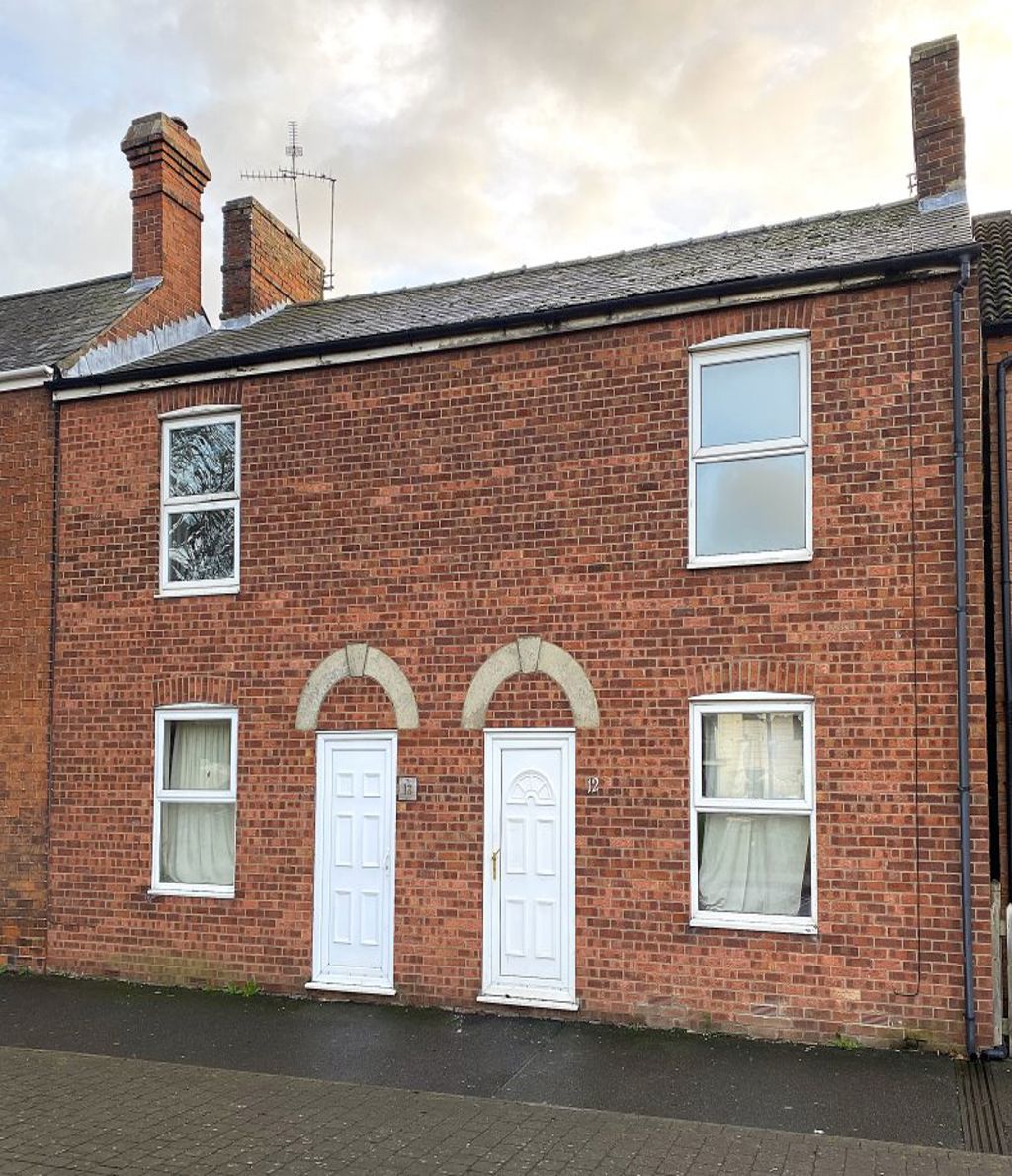
Settlement here goes back far longer than the cathedral. The Flag Fen archaeological site, to the east of the city centre, holds some of Britain’s most significant Bronze Age remains, and Roman occupation left its own marks across the wider area. The Anglo-Saxon monastery built on the site later became the cathedral. The railway arrived in 1845, and with it came the brickworks and engineering industries that shaped the city through the 19th and early 20th centuries. Many of the terraced streets built for those workers still stand, now sought after by tenants looking for space, character, and good transport links.
Today Peterborough draws a wide range of people: commuters making use of the fast rail connection to London King’s Cross, families drawn by the relative affordability compared to Cambridge and the south-east, and professionals drawn by the growing employment base. The city centre, focused around Cathedral Square and the Queensgate shopping centre, sits alongside the open green spaces of the Nene Valley, making the balance between urban and outdoor life more even than in many comparable cities. It isn’t a sleepy market town, nor is it a dense, hectic urban centre. It occupies a particular middle ground that suits a lot of people well, and that positioning continues to attract landlords and tenants.
Find out more about living in Peterborough.