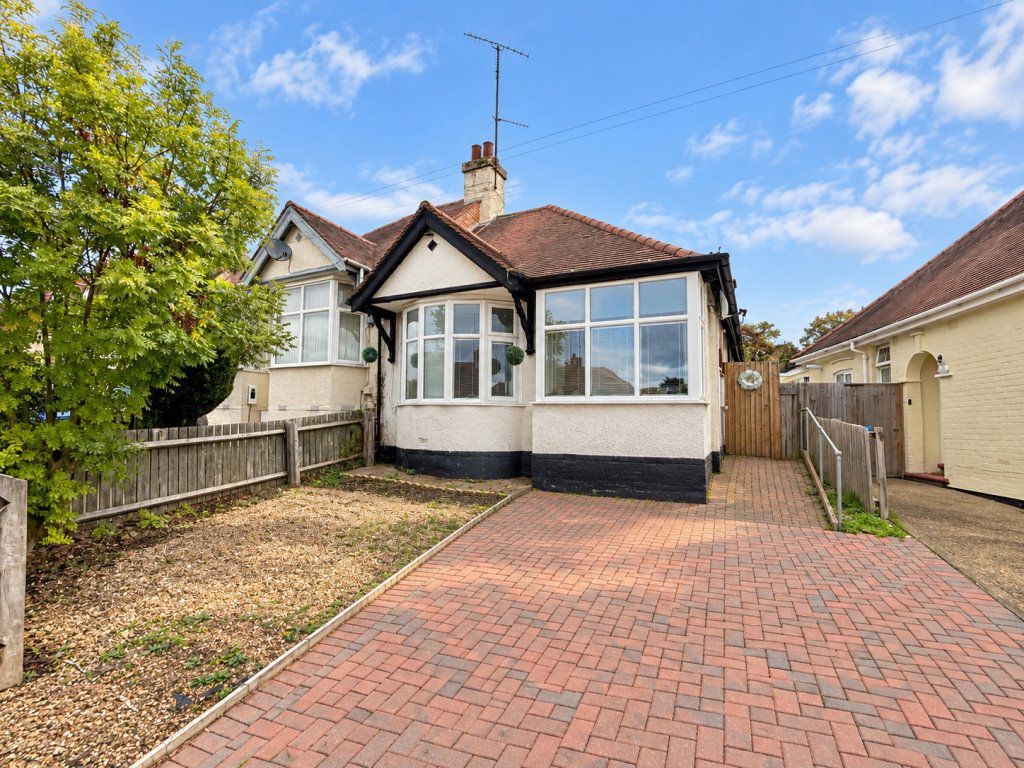
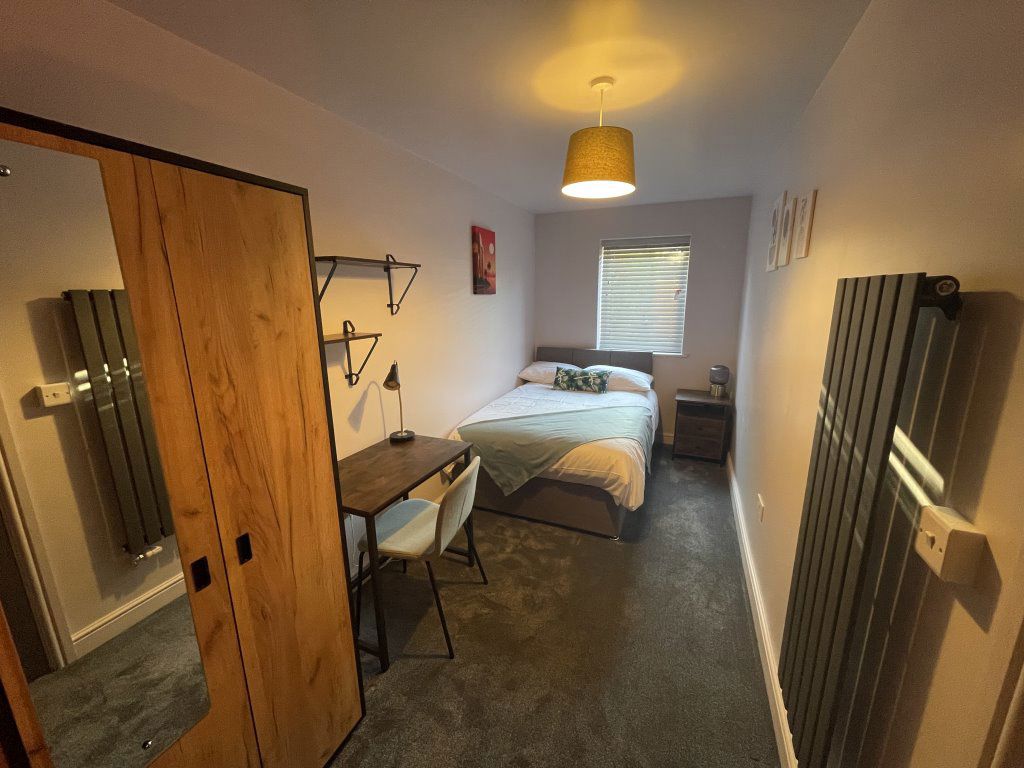
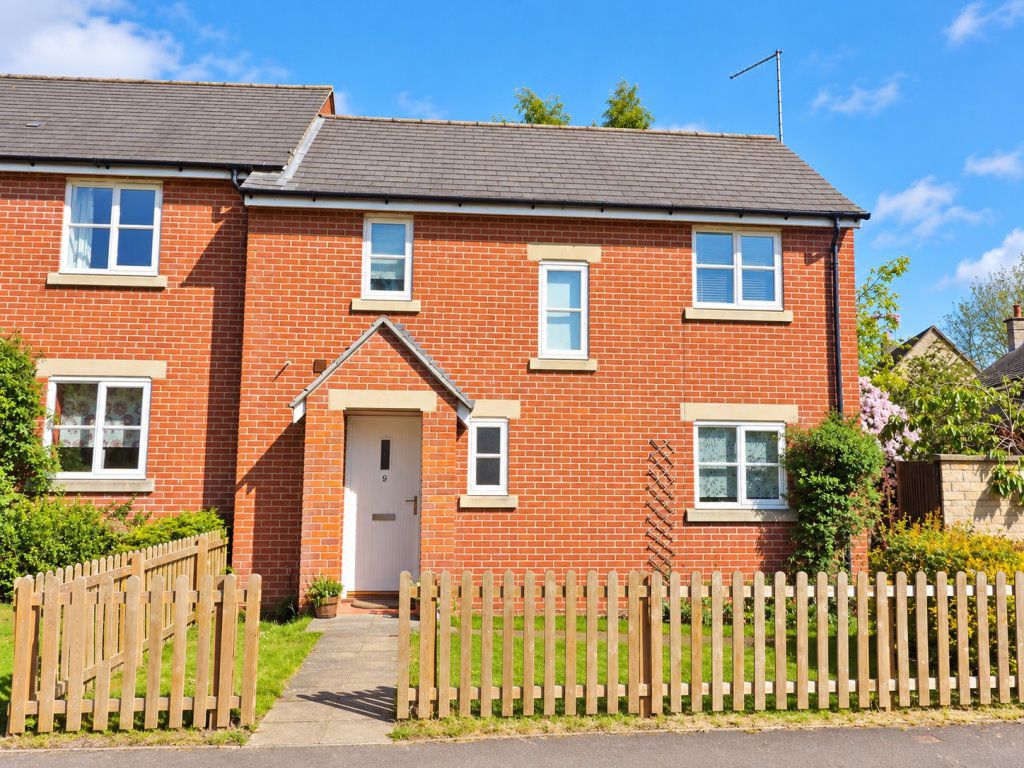
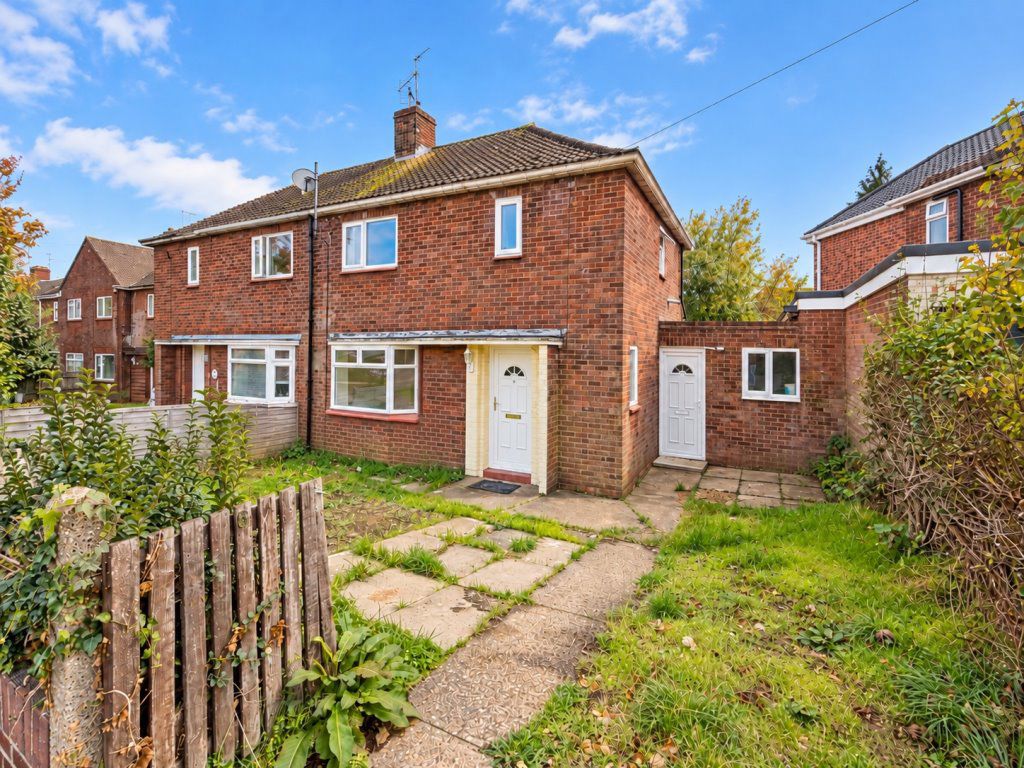
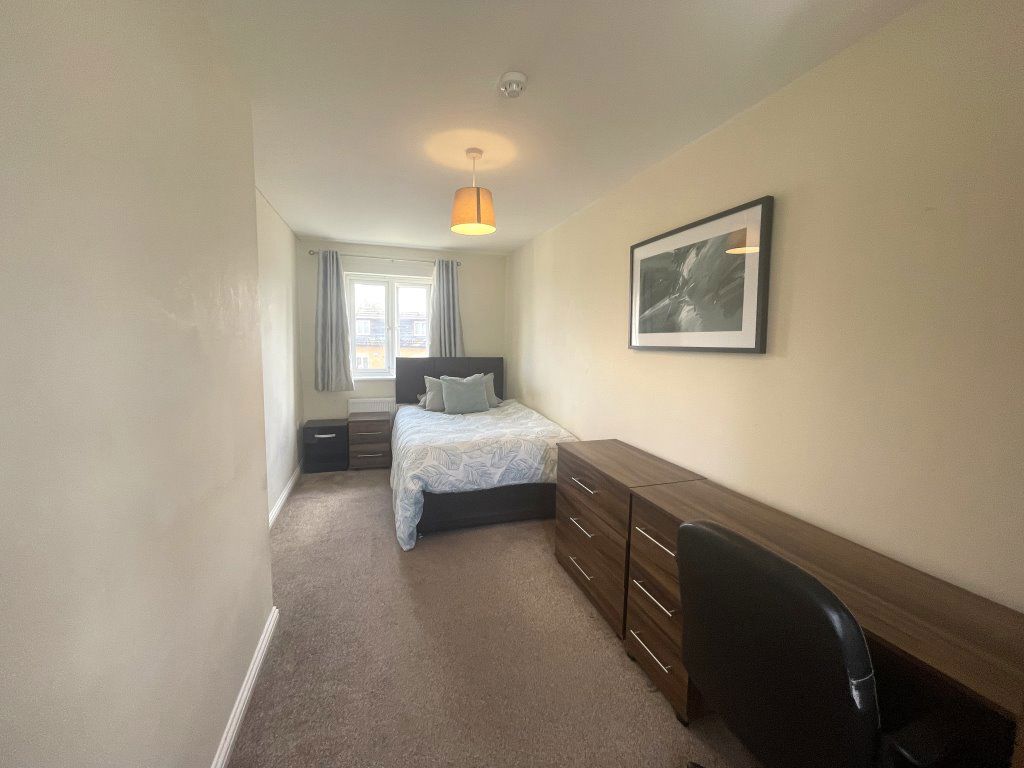
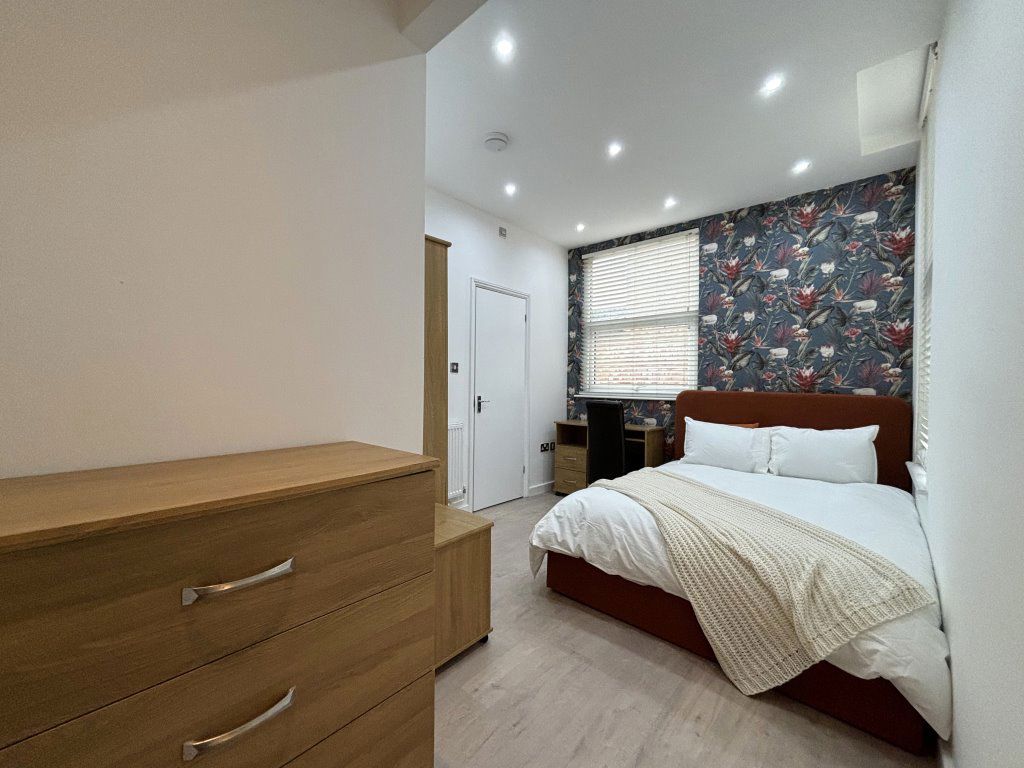
The lettings market in Spalding is characterised by strong tenant demand, limited rental stock, and steadily rising rents — creating favourable conditions for landlords.
Demand outstrips supply. Letting agents in Spalding consistently report that there are not enough rental properties to meet the volume of tenant enquiries. When properties are listed for rent, they frequently receive multiple applications within days.
This high demand is driven by a combination of factors: Spalding’s affordable rents compared with nearby cities such as Peterborough and Lincoln, a growing population in the South Holland district, and an increasing number of people choosing to rent rather than buy.
Rents have been rising steadily. Across Lincolnshire, rental growth has been running at approximately 5% to 7% per year in recent years. In Spalding, average rents for a two-bedroom flat now sit at around £650 to £860 per month, whilst three-bedroom houses typically achieve £900 to £1,050 per month.
The broader UK rental market has also seen continued upward pressure, with national forecasts suggesting further rental growth of around 2.5% to 4% through 2026.
The proportion of privately rented homes is increasing. Office for National Statistics data shows that the percentage of privately rented properties across Lincolnshire has risen notably over the past decade, reflecting a national trend towards longer-term renting.
Regulatory changes are reshaping the market. The Renters’ Rights Act, higher tax burdens on rental income introduced in the Autumn Budget, and forthcoming MEES requirements are prompting some landlords to exit the market — which is reducing supply further and supporting rental values.
However, the majority of landlords remain committed to their portfolios, with recent surveys suggesting that around two-thirds are planning activity linked to growth, such as acquiring additional properties or refinancing existing ones.
For landlords, the Spalding lettings market offers strong yields relative to property purchase prices, low void periods, and a reliable tenant base drawn from the town’s agricultural, logistics, and public sector employment.