FREE Landlord
Compliance Checklist
Use our 63-point checklist to verify
that your rental property is compliant

Fires can be devastating, and property owners must take the necessary steps to ensure their properties comply with fire safety regulations. This article will provide an overview of some of the critical aspects of fire safety regulations, including recent changes, that landlords should be aware of.
Requirement #1: Follow safety regulations
As of September 2021, the current fire safety regulations for landlords in the UK are outlined in the Fire Safety Order 2005 and the Housing Act 2004.
Under the Fire Safety Order, landlords must conduct a fire risk assessment of their properties and take appropriate measures to reduce the fire risk. This includes ensuring that all electrical and gas appliances are safe and regularly maintained, providing smoke alarms on each floor of the property, ensuring that there are suitable means of escape in case of fire, and ensuring that fire doors are properly installed and maintained.
In addition, the Housing Act requires landlords to ensure that their properties meet certain fire safety standards, including having fire-resistant materials on walls and ceilings, providing appropriate fire alarms and extinguishers, and ensuring that any escape routes are clear and unobstructed.
There have been recently proposed changes to the fire safety regulations in the UK, known as the Fire Safety Bill, which will place further responsibilities on landlords to assess the fire safety of external walls and balconies on their properties, as well as ensure that fire doors meet certain standards. The Bill is currently undergoing parliamentary scrutiny and is expected to be passed into law in the near future.
Regulation #2: Smoke alarms and carbon monoxide detectors
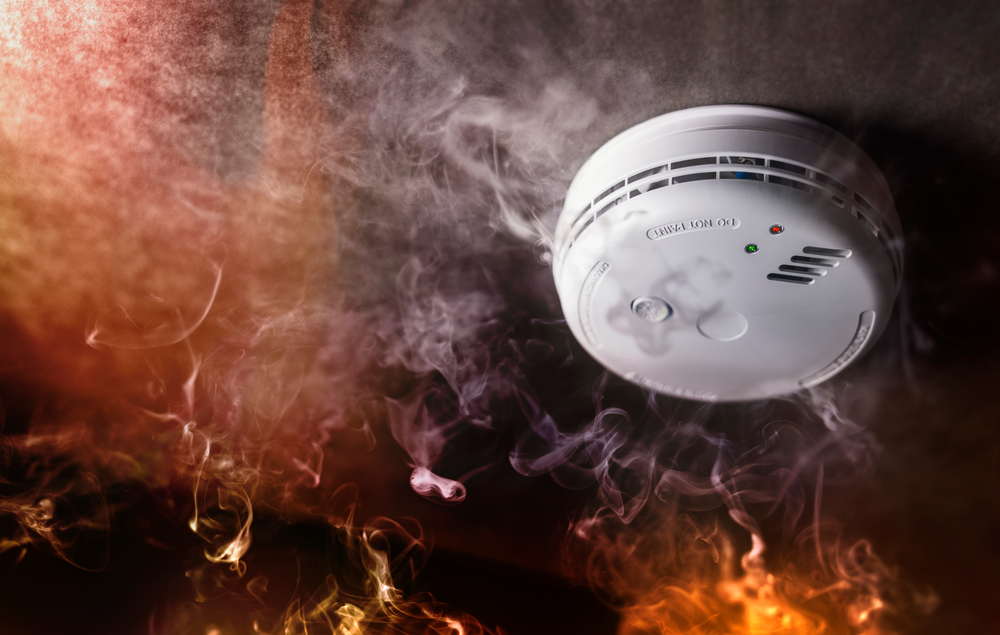
According to the current legislation, landlords are expected to “provide a smoke alarm on each storey and a carbon monoxide alarm in any room with a solid fuel burning appliance (for example, a coal fire or wood burning stove.)”
As of October 2015, it is a legal requirement in England for landlords to provide at least one smoke alarm on every storey of their rental property and a carbon monoxide alarm in any room containing a solid fuel-burning appliance (e.g. a wood-burning stove or coal fire). This requirement also applies to homes rented by housing associations and local councils.
The regulations require that the alarms properly work at the start of each new tenancy. Landlords are responsible for testing the alarms and ensuring they are in good working condition throughout the tenancy.
In addition, the UK government recommends that homeowners and tenants install smoke alarms on every level of their home and carbon monoxide alarms in any room containing a fuel-burning appliance, even if they are not legally required to do so.
Regulation #3: Escape routes
The UK legislation regarding landlords and escape routes is covered under the Regulatory Reform (Fire Safety) Order 2005. This legislation applies to all non-domestic premises and the common areas of rented residential properties such as flats and maisonettes.
Under the legislation, landlords must carry out a fire risk assessment of the property and take appropriate measures to reduce the fire risk and ensure the occupants’ safety. This includes ensuring that residents have access to escape routes at all times and that these escape routes are clear and unobstructed.
Landlords must also inform tenants about the escape routes and the location of any fire-fighting equipment. This information should be provided in a clear and easily understandable format.
In addition, landlords must ensure that any fire doors, fire escapes, and other fire safety features are maintained in good working order and that necessary repairs are carried out promptly. Regular checks of the escape routes and fire safety features must also be carried out to ensure they remain in good working condition.
Regulation #4: Make sure the furniture and furnishings are fire safe
The UK legislation regarding landlords and fire safety of furniture and furnishings is covered under the Furniture and Furnishings (Fire) (Safety) Regulations 1988 (as amended in 1993 and 2010).
Under these regulations, landlords must ensure that any upholstered furniture and furnishings provided in the rental property, such as sofas, mattresses, and cushions, meet certain fire safety standards. This includes complying with specific tests to measure the resistance of the materials to ignition and spread of flame.
Landlords must ensure that any furniture and furnishings supplied in their rental property meet the relevant fire safety standards and are clearly marked with the appropriate fire safety information. This information should be permanently attached to the furniture or displayed on a label and include details about the manufacturer, the compliance of the item with the regulations, and any relevant warnings.
In addition, landlords are required to keep records of the furniture and furnishings in their rental property, including details of the manufacturer, the date of purchase, and the test certificates. These records must be kept for at least five years and made available to local authorities or other regulatory bodies upon request.
Regulation #5: Fire alarms and extinguishers
The UK legislation regarding landlords and fire safety in large houses in multiple occupations (HMOs) is covered under the Housing Act 2004 and the Licensing and Management of Houses in Multiple Occupation (Additional Provisions) (England) Regulations 2020.
Under these regulations, landlords of HMOs must provide adequate fire detection and warning systems, such as smoke alarms and heat detectors, in all areas of the property used as living accommodation. The type and positioning of the fire alarms must meet the standards set out in the British Standard BS 5839 Part 6.
In addition, landlords of HMOs must provide appropriate fire-fighting equipment, such as fire extinguishers and fire blankets, in easily accessible locations throughout the property.
Landlords of certain types of HMOs, known as “mandatory licensable HMOs,” must obtain a licence from their local authority to ensure that the property meets specific safety and management standards. As part of the licensing process, the local authority may require the landlord to provide additional fire safety measures beyond those required by the regulations.
Here at Progressive Lets, we use our wealth of knowledge and experience to advise landlords on all aspects of rules and regulations concerning multi-let/HMO properties. If you already have such a property, or you are considering becoming an HMO landlord, why not contact us for our expert help.
Use our 63-point checklist to verify
that your rental property is compliant
Contact us, and we will be more than happy to help you.
"*" indicates required fields


2026 has been a year of regulatory changes for landlords thanks to the introduction of the Renters’ Rights Act, with its biggest

Last month it was revealed that Coventry City Council was stepping up the hunt for unlicensed HMOs, following complaints from residents a...

As autumn temperatures drop, a new terror lurks for landlords – that of damp and mould. Several factors can cause it, but