FREE Landlord
Compliance Checklist
Use our 63-point checklist to verify
that your rental property is compliant

Looking for a new place to live can feel overwhelming, especially when you’re not quite sure what things to check for when viewing a rental property! Maybe you are looking to rent property in Cambridgeshire, where the average monthly rent is around £970, or somewhere like Wellingborough with an average asking rent of around £1,200.
The first step is looking online for properties that meet your criteria, but the most important phase of renting a house is attending the initial viewing. This is your opportunity to get a feel for the place while asking your letting agent any questions before signing a tenancy agreement – so make the most of it!
Even the best property photographs can’t capture the true essence of a house or apartment. That’s why it’s so important to view the property in person. But what should you look out for, and what questions should you ask when viewing a rental property?
Start with our rental property viewing checklist:
The first things to look out for are around the exterior, so check for missing or damaged room tiles, damaged chimneys, leaking pipes or other drainage and guttering problems, and structural issues.
Inspect the outside of the property for large cracks in the brickwork or rotten timbers, for example. If you see signs of structural issues then you could ask to see the chartered surveyor’s home survey report.

Clarify with the landlord which fittings will remain in the property, essentially any removable items such as furniture, free-standing white goods, mirrors and curtains. Of course, look at their condition too.
There is no specific legal template in England and Wales that states what should be left or removed from the property when renting to a tenant, so it is important to check before you have signed the tenancy agreement.
It is a good idea to the check the boiler, number of radiators and their appearance for age and condition. Smart meters are useful too – if you don’t see one, ask. Running the taps and shower can reveal if the pressure is low.
If the force of the water is not very strong, there could be an issue with the water mains supply or the property’s plumbing system, or a leak. Check that the toilet flush is working correctly, and that the toilet is refilling properly.
Check that there is adequate storage space in the property for all your belongings from wardrobes for your clothes (or space to put your own) to cupboards for the hoover and bulkier items like sports equipment.
If you cycle, is there a secure space to store a bike? If you are renting the property with furniture or partly furnished but also bringing your own pieces, is there enough space to store surplus furnishings?
Inspect the doors, windows and window locks, and find out if there’s a CCTV system, video doorbell or door entry system, or burglar alarm.
You want to ensure that you are going to feel safe and secure in your property, so use the viewing to check the security features and ask questions about security.
Check how much space there is in the outdoor area, if there is one, and its condition. Will you get sun in the afternoon and is there somewhere to sit and spend time in the garden?
Pet owners may also want to check whether the garden is secure. Find out who is responsible for maintaining the garden as grass, hedges and shrubbery all require upkeep. The landlord may arrange a gardener but if you are responsible for maintaining the garden, is equipment such as a lawnmower provided?
A top consideration for drivers is whether there is a garage or allocated space for parking, a permit system, and adequate on-street parking for local residents or their visitors. Find out the costs involved, and check out how close to your property you will be able park.
If could be a good idea to visit the property in the evening to see if it is difficult to secure a space. If your parking option is on the road, how secure will your car be while parked there?
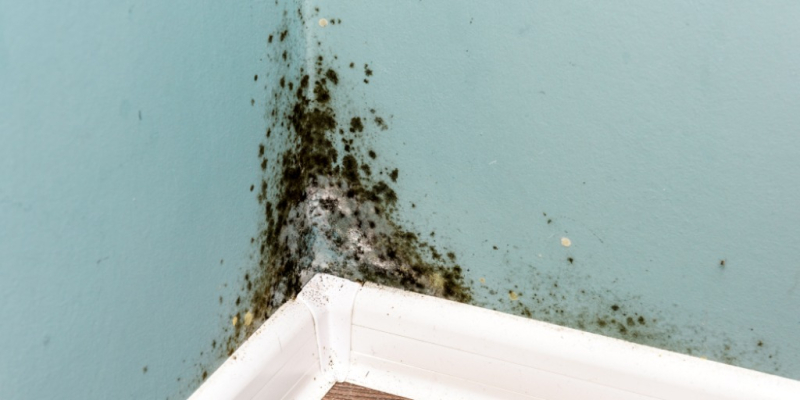
Are there damp, musty smells, discoloured patches or bubbling wallpaper, or perhaps fresh paintwork that’s hiding mould? Look out for signs of mould or dampness within the property, including around the ceiling or near the skirting boards.
Strange smells could also be indicative of pests being present. Other signs of an infestation could be gnawing marks on skirting boards, pest droppings or even damage to wiring which could result in a serious risk of fire.
Bathrooms and kitchens are common pain points for tenants – when viewing for the first time, look at the oven, hob and extractor fans, and check the condition and capacity or washing machines, dryers, dishwashers, etc.
You can also visually inspect and run the shower to check the pressure. Kitchens and bathrooms with modern appliances are ideal, as you can typically expect to pay lower utility bills for houses with energy-efficient white goods.
Viewing a property gives you the opportunity to check how clean it is, from stained carpets, ageing grout or mouldy sealant to unpleasant smells or a lack of bin facilities.
That said, if there are tenants currently living in the property, you might forgive everyday stuff like dusty shelves or floors that haven’t been mopped. It’s more important to look out for any signs of long-term negligence.
Maintenance is another key factor to consider when attending a rental viewing, so check the property’s state of repair. If the window frames are rotting away, wallpaper is peeling back and the kitchen cupboard doors are splintered and cracked, then it’s time to look elsewhere.
With so many things to check during a viewing, don’t overlook natural light and fresh air – how many windows does the property have? Is there plenty of natural bright light in the bedroom?
Does the bathroom have a window for natural lighting and ventilation? Houses with lots of natural light and plenty of fresh air are generally more comfortable places to live.
Legally, landlords must install at least one smoke alarm on each storey of their property and a carbon monoxide detector in any room that contains a ‘solid fuel burning appliance’ such as a wood-burning stove or coal fire (although its good practice for a carbon monoxide alarm to be installed in any property regardless of which appliances are present).
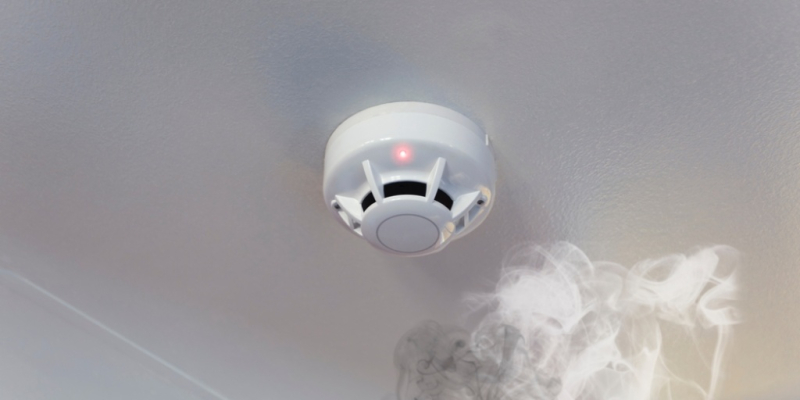
It is also a legal requirement for the detectors to be checked and in working order when a new tenant moves in. The landlord should arrange an annual gas safety check and provide a copy of the most recent gas safety certificate to any new tenants. They should also carry out a five-yearly landlord electrical safety check and again, provide a copy of the certificate. Additionally, ask to see the energy performance certificate, so that you can get an idea of how much you will be paying for energy bills.
A lack of conveniently placed sockets can be a problem, so check how many there are and how well the sockets are distributed throughout the property.
Better yet, ensure they are in working order, and test lights and light switches in each room.
When viewing a rental property, scope out the street and surrounding houses – you can even ask neighbours for their perspective on the local area.
It’s important to check what amenities are available nearby, including shops and bus stops in walking distance. If you don’t have a car, that’s an even higher priority. Look out for local parks and green spaces too, especially if the property doesn’t have a garden!
Check for signs of hidden maintenance problems like pest infestations, damp and mould, dripping radiators, leaks under sinks and from pipes, damage to electrical sockets and switches, cracks in the walls, and warping windows or window frames.
Know what to look out for when viewing – check for a damp smell, visible mould, damp patches or discolouration on walls, and bubbling or peeling wallpaper.
Landlords must provide tenants with certain certificates at the start of the tenancy. These include the Government How to Rent guide, an Energy Performance Certificate (EPC), an Electrical Safety Certificate or Electrical Installation Condition Report (EICR), and a Gas Safety Certificate. At the beginning of the tenancy, landlords must also supply the signed inventory and tenancy agreement, along with the Deposit Protection Certificate and the prescribed information.
Note their punctuality, professionalism and responsiveness. They should be able to answer questions about the property knowledgeably, from the council tax band to maintenance procedures, and provide essential paperwork like the EPC and Gas Safety Certificate.
Tenants should clarify who pays which bills (you or the landlord), the property’s EPC rating and council tax band and payment schedule, and ask for monthly average costs for utility bills.
At Progressive Lets, it’s our aim to make it easier than ever for tenants to find the perfect rental properties in Peterborough to suit their needs. To start your property search or to find out how we’re helping tenants like you find their dream home, get in touch with us today.
Use our 63-point checklist to verify
that your rental property is compliant
Contact us, and we will be more than happy to help you.
"*" indicates required fields


2026 has been a year of regulatory changes for landlords thanks to the introduction of the Renters’ Rights Act, with its biggest

Last month it was revealed that Coventry City Council was stepping up the hunt for unlicensed HMOs, following complaints from residents a...

As autumn temperatures drop, a new terror lurks for landlords – that of damp and mould. Several factors can cause it, but