7 STEP HMO STRATEGY
Fill in your name and email for Instant Access


There’s much more to renting out a property than finding a tenant, getting them to sign a lease and receiving your monthly rental payments. There are ongoing maintenance and repairs to consider – and the matter of regular property inspections. Some of this might be unfamiliar to you (especially if you’re an accidental landlord). With years of experience working with landlords in Peterborough and across Cambridgeshire and Northamptonshire, we want to provide a clearer picture of what it involves.
In this article, we’ll walk you through making a landlord property inspection checklist for UK rental properties. You will also find the link to a free home inspection template.
Preparing a landlord property inspection checklist helps to ensure nothing is missed, and avoid unintentional difficulties, which is helpful as an accidental landlord who may not know what to check otherwise. As a starting point, decide how often to inspect your rental property.
It’s a good idea to refer to your landlord insurance, which may specify how frequently you must attend (read our guide on what is landlord insurance for more information). As a rule of thumb, though, you should carry out a check of your property quarterly.
To inspect once a month could be construed as harassment. Waiting to complete an annual apartment inspection checklist is too long – unless you’ve known your tenants for years and they never cause problems.
A landlord inspection checklist should consist of a list of things to look out for on a room-by-room basis. That way, you can be sure you won’t miss anything and compare notes with your previous inspection if unsure. Always take a record of your visit, with photographs of any damage or concerns.

The point of a property inspection checklist for landlords is two-fold. The first is to ensure there’s nothing untoward going on in your rental property. For example, your tenants aren’t running a cannabis factory or subletting.
Secondly, you want to ensure there are no minor problems your tenants haven’t noticed – or have just ignored – and which, if not attended to, could develop into a major costly repair. A familiar issue landlords encounter is that some tenants will only report a minor repair if it affects them directly.
For example, a dripping tap can be ignored up to a point. The concern is, they might not raise the alarm until there’s water all over the kitchen floor because it won’t stop running. You would then need to call an emergency plumber. Yet, this could have been avoided if your tenants had pointed out that the tap was dripping months earlier.
The same applies to dampness problems. A little mould around a window can quickly flourish and become a lot of mould and, in a worse-case scenario, ends up rotting an entire window frame.
Making periodic landlord visits also allows you to build a good relationship with your tenants. If they’re decent tenants, they will appreciate that you want everything in the flat to work well.
From the tenants’ perspective, property inspections present an opportunity to highlight any concerns. A good landlord/tenant relationship is vital to a happy tenancy for you and the people renting your property. Your tenants are also more likely to stay longer if they’re happy. Find our landlord’s periodic inspection checklist on our website.

As a landlord, you have a legal right to inspect your property, but you must give your tenants notice to do so. In other words, you can’t just turn up with your landlord inspection checklist demanding entry.
The Landlord and Tenant Act 1985 says tenants must have at least 24 hours’ notice of an inspection in writing. This doesn’t necessarily have to be by letter, it could be via email or text.
If someone else, such as a letting agent, is going to carry out the inspection, the tenants must be told who this is, also in writing.
Your landlord inspection checklist should cover any repairs or maintenance issues, health and safety, and ensure wear and tear hasn’t progressed. This is also your opportunity to ensure that the tenants are keeping the property in good condition. Check for water damage inside and externally, look at the appliances and lighting, and don’t forget the garden area.
Here’s what landlords should look out for during the inspection. It’s a good idea to take notes as you go along – and take photographs of any damage you find.
Are the tenants keeping the property clean? Ensure it’s sanitary by ensuring no food waste is lying around or piling up. Your tenants should also be emptying the bins regularly, as waste food can attract vermin.
Check that appliances such as the washing machine, electrical oven or fridge are in good working order. You should also look at any small appliances you have supplied, e.g. kettles, toasters, TVs or lamps.
It’s good practice to arrange regular PAT testing to ensure they’re safe. You are not responsible for testing any appliances the tenants have supplied themselves.
What about the lighting and electrics in general? Landlords are legally required to arrange an EICR by an engineer every 5 years, but you can also perform a quick visual check during your property’s periodic inspection. Electrical faults can be severe, so arrange for a qualified electrician to make repairs immediately if you detect damage.
You should also test any smoke alarms and carbon monoxide detectors as part of your legal responsibilities as a landlord. Ensure they are still in good working order, and replace the batteries if needed.
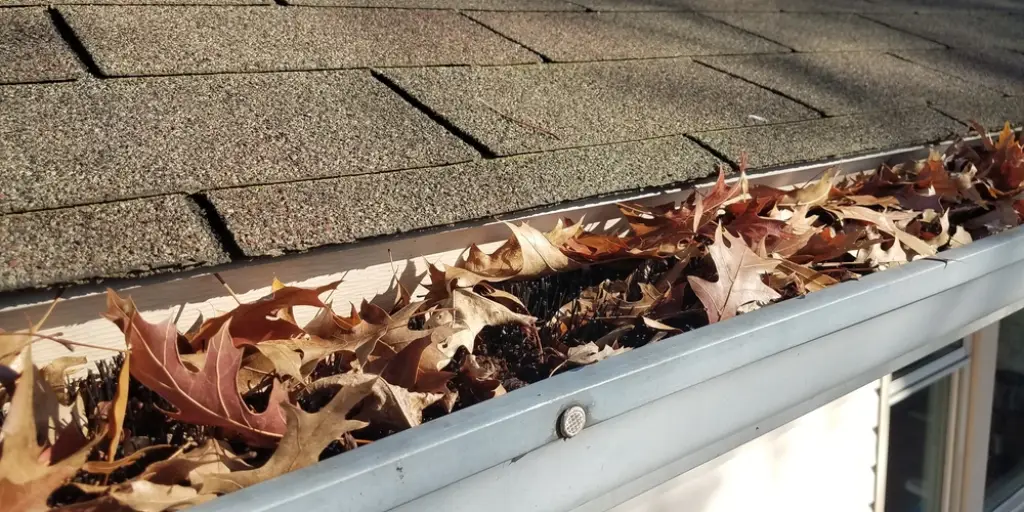
What about the gutters? Are they working as they should? Carry out a visual inspection to check for signs of blockages. Check the window frames for leaks. If left unrepaired, these exterior problems can cause dampness within the property.
Check for blocked drains by listening out for gurgling when the water runs or water collecting in the sink. Left unattended, they can attract bacteria, potentially leading to damaged pipes or floods.

Are there any leaks from the taps, toilet or connecting pipes? Try running the water and find out. It’s cheaper and easier to halt a leak before water damage or other problems develop.
Damp and mould are unpleasant and hazardous to your tenants’ health, so they need to be eradicated. As outlined by Shelter, your tenants can contact the local council and claim compensation if it’s left untreated. Look for signs of discolouration in the bathroom and on the walls. A smell can also reveal hidden dampness or mildew, so be attentive.
Damp and mould are common in bathrooms and areas where washing is dried and in places affected by a leak or overflowing gutter. Catch the causes early, and you may be able to avert damp and mould before they set in.
What’s the wear and tear like? Does it seem reasonable? For example, lightly scuffed flooring or carpet wear should be expected. However, cracked windows or anything broken through misuse or lack of care is a different matter. Look out for signs of damage, taking photos and notes if you find any.
You may also find unreported maintenance issues. If so, arrange repairs and remind your tenants to make you aware so problems can be remedied before they worsen. Furnishings sometimes reach the end of their useful lifespan, so take note of their condition.
If your rental property has a garden, assess its condition outside. Ensure it’s not overgrown, and check for furniture, old boxes or other waste left to pile up. Again, this can attract unwanted guests.
Gas and electrical safety regulations can be uncompromising, and for good reason. Tenants can reasonably expect to live in a safe environment for the long term. From your perspective, your landlord insurance may be invalidated if you don’t follow guidelines.
Cover your health and safety obligations at property inspections by testing the CO2 and smoke alarms.
Landlords in the UK have a legal obligation to check their properties’ electricity supply and appliances. Electrical checks need to be carried out every five years. An Electrical Safety Certificate is only valid if it meets certain criteria, and there are consequences if your property doesn’t hold one. The tenants must be given a copy of the certificate within 28 days.
Gas checks and repairs can only be carried out by a certified engineer. But you can check that hot water is running and visually check the boiler and radiators. If you find signs of damage or deterioration, contact an engineer urgently, as gas problems present a serious hazard.
Landlords should look for signs of a pest infestation during a property inspection. Animal droppings and tracks can be the most obvious clues. You should also look out for small holes and cracks in the walls. Seeing grease marks around these gaps can be a sign that rodents have been making their way through. Also, look out for chewing to exposed insulation. Remember that pests stay out of sight, so check nooks and corners. Don’t forget to look up and down to detect wasp nests, for example.

If the tenancy agreement specifies that no smoking is allowed indoors, look out for these indicators. Non-smokers can often detect the scent of cigarette smoke immediately. If you are a smoker yourself, it might be harder to identify the smell of smoke in your rental property. Stay alert for visual clues like discolouration to the walls and furnishings.
The tenancy agreement should spell out the terms for keeping a pet at your rental property. Check for wear and tear caused by pets as a matter of course, whether you allow them or not.
Scratches and marks indicate that your tenants are keeping pets at the property. Should you discover that your tenants are keeping a pet without permission, you should research your options.

Using a template when you carry out a landlord inspection will save time and help ensure you don’t miss anything. It also makes it easier to compare any wear and tear progression. Include each item on your checklist, leaving space to comment on its condition at check-in and what you find during the inspection. You can create your own or download a rental inspection report template.
Don’t forget to date and sign it, discuss it with the tenant, and ask them to date and sign it. Keep the sheet on file to avoid disputes later and to form a record of the property’s condition throughout a tenancy.
If a tenant is reluctant to admit their landlord into the rental property, it usually signals something is wrong. This should make you even more keen to carry out an inspection ASAP. If you have given them notice and a reasonable time to visit, yet you are still refused entry, you can apply for a court order to gain access. To do so without one would be construed as harassment. A landlord can only enter without permission if there is an emergency at the property such as a burst pipe etc.
It’s worth noting that if the rental property is left in a worse state when the tenant moves out because you could not inspect it, you could probably deduct money for repairs from the tenant’s security deposit.
You should always have an inspection clause in a tenancy agreement. This could be along the lines of “The Landlord reserves the right to enter the Property at any reasonable time on giving not less than 24 hours’ prior notice to the Tenant.”
Are you clear on completing your landlord property inspection checklist for your UK property? We are waiting to help landlords from Wisbech to Rushden, and the surrounding areas. Contact us today, and we can talk over your queries or concerns.
Use our 63-point checklist to verify
that your rental property is compliant
Contact us, and we will be more than happy to help you.
"*" indicates required fields


As autumn temperatures drop, a new terror lurks for landlords – that of damp and mould. Several factors can cause it, but

There are times when you will need to access your rental property as a landlord but it is essential that you follow the correct legal ste...

Finding tenants for your HMO can feel like a never-ending challenge because, by their very nature, tenants in shared properties often live








7 STEP HMO STRATEGY
If you are looking to invest in an HMO or are an existing HMO landlord wanting to improve your yield and occupancy levels, then our 7 Step HMO Strategy is for you.
Get your FREE COPY of our '7 Step HMO Strategy’ TODAY!