7 STEP HMO STRATEGY
Fill in your name and email for Instant Access


If you’re looking for an investment opportunity, a buy-to-let property might be the thing for you, but becoming a landlord takes careful thought and research. Whilst the past couple of years have brought challenges to the private rented sector, becoming a landlord still has plenty going for it.

Maybe you have a second property you’d like to rent out rather than sell, ended up as an accidental landlord, or perhaps the choice to become a landlord means buying a property as a long term investment for retirement. Whatever your motivation, to succeed, you need to investigate the sector and understand what being a landlord involves. To help you get started, we answer some of the questions new landlords often ask.
Some people become buy-to-let landlords to increase their income or supplement a pension. For others, it’s more accidental – people who have acquired property through inheritance or after moving in with a partner or relocating abroad. Either way, it can be a lucrative, long-term investment, with many people trying to decide between pension or property as part of their retirement plan.
Successful buy-to-let landlords know that renting out property is a business, not a hobby, and, therefore, approach it seriously and meticulously.
This means being organised with your paperwork and records, learning how to market your property to the right target audience and making clear decisions based on the best business case. If you’re unsure about the right way forwards, find out how to become a property investor in our dedicated article.
You should also take a professional approach when dealing with your tenants by always maintaining open communication and remembering that it is a business relationship, not a friendship.
You’ll need to ask your mortgage lender and insurance company first. If you have a standard residential mortgage, you’ll likely need to switch to a buy-to-let product, which could cost you more and involve redemption fees.
Your buildings insurance may be invalid, and terms in your lease could prohibit you from renting your home to prospective tenants. Make sure you check all of this out.
Want to be a more informed landlord? Find out how to improve your EPC rating, what’s involved with HMO properties, and whether a buy-to-let is a good investment.
There is a lot to consider when purchasing a buy-to-let property. First, you need to work out your budget and the potential rental yield you will get from the property to ensure that it will be profitable.
Ensure it’s in an area where you are most likely to attract tenants, for example, close to transport networks or good schools. Local letting agents can point you toward sought-after or up-and-coming areas where you will most likely succeed. Contact us for advice on popular areas within Peterborough.
Buying a property that needs little work would also be beneficial. Lovely kitchens and bathrooms are a big selling point but can be extremely costly if you need to fit these before you can start renting the property. Also, ensure that the property is structurally sound and that the general maintenance of the property isn’t going to be too intensive.

Furnished properties often attract higher rents, but you may need to spend money up-front to fit them out, and you will need to insure and maintain the items you include. Your decision should be influenced by the type of property you have. Small, city centre flats are more likely to attract young people with fewer possessions who prefer furnished. Larger houses will attract families who may wish to bring their existing furniture with them. There is plenty of advice about this online.
Not currently, but being open to well-behaved pets may increase your pool of potential tenants and allow you to charge a higher rent. Even if you’re not keen, be aware that the government is looking at legislation to prevent pet bans, so keep up with the news on this issue.
If you don’t want smokers, make sure you say so early on. You can include a no-smoking clause in your tenancy agreement and advertise the place as being for non-smokers – although it may be difficult to police.
Factor in all the costs of being a landlord to determine whether it is right for you – particularly if you are considering buy-to-let. Be realistic in calculating your outgoings and the rent you will likely achieve, remembering to account for any void periods. The costs you will face include:
Buy to let mortgage interest repayments, which will likely cost more than a regular mortgage.
As a professional landlord, you must fulfil certain obligations and comply with various regulations.
Landlords are responsible for most repairs and maintenance to a rental property. This includes the electrical wiring, plumbing and sanitation, heating and hot water and the external structure of the building.
You must ensure that the property is fit to live in throughout the tenancy. If the tenant believes you haven’t fulfilled your responsibilities, they can take you to court. Issues which might make the property unfit for habitation include damp and rodent infestation.
You must ensure that the gas supply and all gas appliances on the property are safe. They should be fitted and repaired by a Gas Safe-registered engineer, and a gas safety check should be carried out every year. This applies to gas pipework, cookers, boilers, fires and water heaters. You must provide your tenants with a valid gas safety certificate. You cannot issue a valid Section 21 notice if you fail to provide this.
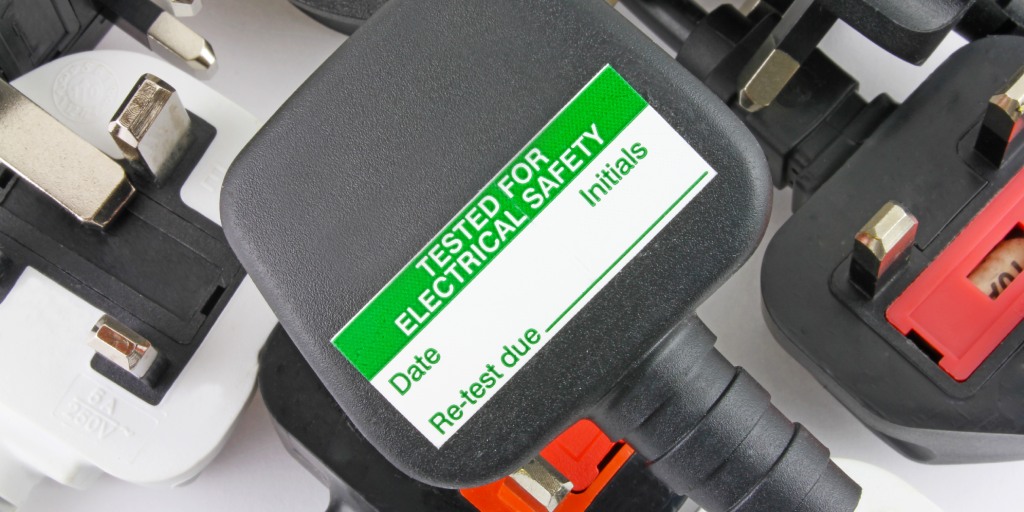
You must also ensure that all electrical wiring and plug sockets are safe. A qualified electrician must inspect all electrical installations at least every five years. Again, you should provide your tenant with a copy of this report. Portable Appliance Testing (PAT) is not a legal requirement for landlords in England, but it is best practice.
You have a duty of care to ensure the rental property meets fire safety standards. As a bare minimum, there should be working alarms on each floor and carbon monoxide alarms/detectors in any rooms heated by solid fuel.
Fire assessments are a legal requirement for houses of multiple occupation (HMOs) and the best practice for any rental property.
Any renovations to the property must be completed to the required standard to prevent any fire hazards or risks. These are outlined in The Building Regulations 2010 act.
Fire safety regulations in Houses in Multiple Occupation (HMOs) are more extensive, so checking the legal guidance is essential. Consider the layout of the property and the work required that may impact safety before buying a buy-to-let property.
Since 2018, landlords have been required to adhere to the Minimum Energy Efficiency Standards (MEES). This ensures that the property has an acceptable level of energy efficiency and heating and long-term sustainability for tenants before the property hits the rental market. If the property is not up to standard, it cannot be marketed for sale or rent.
If your property has an EPC grade of F or lower, you are legally required to improve it up to an E grade before renting it out. The government plans to raise EPC standards to a C grade – so you will need to watch out for any future changes.
If you have an HMO property, you’ll have to make sure you have the correct licence in place and follow the broader rules around this type of rental. Mandatory licensing is required when there are 5 or more people forming 2 or more households, and the tenants share facilities like kitchen or bathroom. Additional licensing is sometimes required for smaller HMOs where the council requires it. As an HMO landlord, you will have to follow the various stipulations laid down by the local council (where they apply).
In addition, there are extra fire safety regulations and room size rules to comply with.
If the property you let has been marketed for sale or let, or modified, in the past 10 years then it will probably be legally required to have an Energy Performance Certificates (EPC).
Your tenants must be provided with certain documents, including an energy performance certificate and a copy of the government’s How to Rent Checklist. You must protect your tenant’s deposit in a government-approved scheme, and if you’re renting a property in England, you must check your tenant has the right to rent your property.
You have a right to expect your tenants to pay rent on time, look after the property and meet the terms of your tenancy agreement. You can take eviction proceedings against them under Section 8 of the Housing Act 1988 if they don’t (find out how to evict a tenant legally here). You also have the right to ask your tenants to leave the property without giving a reason once the initial fixed-term period of their tenancy is over. However, changes to the law are planned in this respect.
Have copies of all the gas safety, electrical safety and other important certificates in a safe place, ready for when you’ll need them, along with your property’s energy performance certificate, insurance policies and guarantees for any work you’ve done.
You’ll need to keep copies of all the paperwork related to the tenancy, including your tenancy agreement, details of the tenancy deposit protection scheme, your inventory, and evidence that you’ve conducted a right-to-rent check.
Once your tenant has moved in, you must keep detailed records of rent received and money you spend on the property to help you complete your annual tax return.
Want to be a more informed landlord? Know what to do if your tenant stops paying rent, what happens when a tenant has a pet without permission, and brush up on the Renters’ Rights Act.
When planning how much rent to charge, you must clearly understand the going rate for a property in your area. Start by using a rent calculator tool to get an instant guide – plenty of property websites have them.
Next, research what’s available with local letting agents – property portals like Zoopla and Rightmove make this easy. For example, the ONS reports that average monthly rents in Peterborough are £965 pcm, an increase of 7.9% in the last 12 months, with one bedroom flats seeing the highest increase in price. Check reliable sources like this to understand the approximate figure you should charge for rent.
Remember, just because you can charge a high rent doesn’t mean you should. You want to attract interest from multiple renters and build interest in your property, something which is unlikely to happen if you set the rent too high. Speak to some local estate agents too – they’ll be happy to give you a valuation, even if you don’t end up letting with them.

The rental yield is the financial return you can expect from your buy-to-let investment. Calculate rental yield by dividing your annual rental income by the total value of the property, then multiplying this figure by 100 to get the percentage.
For example, you buy a property for £150,000 and rent it out for £150 per week. Your annual rental income is £7,800.
£7,800 divided by £150,000 = 0.052 multiplied by 100 = 5.2%
This formula calculates gross yield and doesn’t include maintenance and other costs, so make sure you factor these in when determining whether a property would be a good investment. Read our blog on How to Calculate Rental Yield for a more comprehensive breakdown of calculating rental yields.
To make your property as appealing as possible, invest some time in sprucing it up. Deal with any outstanding DIY jobs and ensure the property is decorated to a good standard in neutral shades.
Always obtain references for your tenants, including from previous landlords. If your applicant hasn’t rented a home before, seek references from their employer or a college lecturer. Contact all referees to ensure that they are genuine.
Ask for copies of bank statements and proof of income. It is also worth investing in credit checks to be confident in their past payment history. Credit reference agencies such as Experian can do this for a fee.
Carrying out background checks isn’t just for your peace of mind. Some insurance policies won’t be valid if you haven’t been thorough in this area.
Ensure your tenant has read and understood everything in the tenancy agreement and that the home is clean, tidy and ready for them. Leave instructions for all appliances, plus any useful information they need. For instance, how to reach you and when the bins are collected.
Many landlord and tenant disputes centre around damage to the property and its fixtures and fittings. A full inventory can help you avoid this issue – take photos or videos of your property and any items included. Your tenants should sign the inventory to confirm that everything it lists is present and in the stated condition.
As with any property, you must take out buildings insurance. You will need contents insurance too to cover any items you have supplied. It is important to look for policies designed for landlords, and you must ensure that your insurer knows you are renting the place to tenants.
You should also consider rent guarantee insurance to cover you for void periods or if your tenant fails to pay their rent. These policies may reimburse you for deliberate damage, a tenant refusing to leave the property and disputes over repairs and renovations.
Breakdown insurance for your heating system, plumbing and electrics may also be helpful if you don’t live close to the property or have a list of reliable tradespeople to call upon.
The rent landlords receive must be declared on an end-of-year tax return. If you are currently employed and are taxed by PAYE, you must register for self-assessment by 5 October following the tax year in which you received rental income.
As a landlord, you will pay tax on your profit after deducting allowable expenses. These expenses include buildings and contents insurance, repairs and maintenance (not improvements), interest on property loans and utility bills.
You may also be able to claim tax relief on replacing domestic items such as beds, sofas and white goods. Read more about tax, self-assessment and allowances for landlords on the gov.uk website. If you are unsure about tax and self-assessment, get advice from an accountant with experience in property and tax or contact HMRC.
As a landlord, it is also a good idea to develop your skills and network, for example, joining the National Residential Landlords Association (NRLA) to access their legal helpline, training courses and compliance guidance.
If you want a tenant to leave your property for whatever reason, there are steps you need to take to stay on the right side of the law.
You have two means of legally evicting a tenant – serving a Section 8 or Section 21 notice. More information on how to legally evict a tenant can be found here.
There are numerous changes that landlords need to expect under the Renters’ Rights Bill, which is due to come into force in Autumn 2025. This will significantly affect your responsibilities as a landlord, so here are a few developments to watch out for:
If you’re a landlord in the Peterborough area, we can help. Whether you’d like to know about how to build a property portfolio or get your compliance docs in order – Please contact us with any queries on renting out a property or to learn more about our services for landlords.
Use our 63-point checklist to verify
that your rental property is compliant
Contact us, and we will be more than happy to help you.
"*" indicates required fields


Last month it was revealed that Coventry City Council was stepping up the hunt for unlicensed HMOs, following complaints from residents a...

Why use a sample landlord inventory? Quite simply, completing a robust inventory can avoid a dispute – and provide vital evidence if you ...

As autumn temperatures drop, a new terror lurks for landlords – that of damp and mould. Several factors can cause it, but








7 STEP HMO STRATEGY
If you are looking to invest in an HMO or are an existing HMO landlord wanting to improve your yield and occupancy levels, then our 7 Step HMO Strategy is for you.
Get your FREE COPY of our '7 Step HMO Strategy’ TODAY!