FREE Landlord
Compliance Checklist
Use our 63-point checklist to verify
that your rental property is compliant

Looking for the best place to live is about more than just picking a property.
As a tenant, which street you choose could be the difference between a hassle-free work commute or a longer journey each day. For landlords, two similar streets that are not far away from each other can produce very different rental returns.
A terrace on the established owner-occupier roads near Rockingham Road may appeal to a long-term family tenant and hold its value through voids, while a similar-sized house a short distance away in a pocket with a higher turnover of short-term lets will behave entirely differently. Getting this choice right matters more in Corby than in many comparable towns, because the area is changing fast and the gap between its best-performing micro-locations and its weaker ones is getting bigger.
Corby is one of the fastest-growing towns in England, with more than 10,000 homes currently being built or in the planning pipeline. New development is concentrated in specific zones, regeneration investment is targeting particular corridors, and the town’s older established streets retain a character and a tenant profile that newer estates are still building. For a landlord deciding where to buy, or a tenant deciding where to rent, this guide provides an understanding of the differences between each micro-location.
The town divides broadly into four zones:
Each has its own price point, tenant profile, and outlook.

Corby’s premium addresses tend to cluster in two distinct types. One is the older, established roads close to the town’s pre-expansion core, and the other is the larger detached properties on the edges of the better-regarded residential estates.
Corby’s different districts and areas vary considerably in character, price, and the type of tenant or owner-occupier they attract. The table below sets out the main locations you can divide Corby into.
| Zone | Character | Who it suits |
|---|---|---|
| Town centre and inner streets | Dense, mixed-tenure, good transport access | Single tenants, young couples, HMO investors |
| Kingswood and Danesholme | Established family estates, owner-occupier majority | Family tenants, long-term occupiers |
| Priors Hall Park | New-build, large detached, growing infrastructure | Professional tenants, owner-occupier buyers |
| Great Oakley and Stanion | Village character, quieter, semi-rural | Tenants seeking space, established owner-occupiers |
Conservation and heritage. Corby itself does not have a town-centre conservation area in the same way as older market towns, reflecting its largely post-war development. The village of Rockingham, immediately to the north-west, does carry designated conservation area status, and properties within or adjacent to its boundaries attract a premium that reflects both the architectural quality and the planning restrictions that limit unsympathetic development.
School catchments. School catchment boundaries in North Northamptonshire are administered by the local council and can change between years. The streets feeding into Corby Business Academy and Brooke Weston Academy are likely a priority for buyers with families, for example. Families are advised to check the current year’s catchment maps and criteria directly with the school before making a purchase or rental decision, as boundaries are not fixed.
Transport access. Corby’s railway station, which reopened in 2009 after a long closure, sits on Oakley Road and provides services to London St Pancras via Kettering, with journey times to London of around 75 to 80 minutes. The streets within comfortable walking distance of the station, particularly along Oakley Road itself and the residential streets immediately east and west of it, benefit from this access. The Town Fund investment in pedestrian and cycle connections between the station, Tresham College, and the town centre along Oakley Road has improved this corridor further.
Green space proximity. Coronation Park is the largest green space in the town centre and the streets closest to it, particularly along its northern and eastern edges, are consistently preferred by tenants with children and by owner-occupiers.
Not every street in Corby is well known – even those which offer excellent homes for BTL investors and tenants. Here’s a few, lesser well known streets and areas in Corby…
Corby has a higher proportion of privately rented properties than many comparable Northamptonshire towns, reflecting both its relatively affordable entry prices and its role as an employment centre attracting workers from across the UK and Europe.
The town’s Polish, Slovak, and wider Eastern European population, which grew significantly during the 2000s, has historically concentrated in the inner-town streets and the more affordable estates, creating a well-established demand base for smaller, lower-cost rental properties in those zones.
Here’s an approximate breakdown of tenant v.s. owner occupancy – though this is always subject to change…
| Zone | Predominant tenure | Typical tenant profile |
|---|---|---|
| Town centre / inner streets | Mixed private rental, social | Single tenants, couples, HMO occupiers |
| Kingswood / Danesholme | Mixed, owner-occupier majority | Families, long-term renters |
| Priors Hall Park | Owner-occupier majority, growing PRS | Professionals, relocating employees |
| Great Oakley / Stanion | Owner-occupier majority | Professionals, families, long-term tenants |
No town in the East Midlands is changing as quickly as Corby right now, and that change is not evenly distributed across its streets.
Corby’s shortlisting for the inaugural UK Town of Culture 2028 designation, one of just 15 towns selected from nearly 400 entries nationally, is a further signal of the town’s direction of travel. Each shortlisted town receives £60,000 to develop its full bid, with the winner receiving a £3 million grant. If Corby secures the designation, the cultural investment and national profile that follow will benefit the town centre streets most directly.
The North Northamptonshire Council leader’s call for Corby to be included in the government’s New Towns programme is a longer-term factor worth monitoring. If the designation is granted, it would accelerate housing delivery and attract further infrastructure investment, with the northern and eastern edges of the town most likely to see the earliest impact on new development zones.
Once you’ve identified the right street or pocket, the next step is talking to an agent who knows the specific roads, not just the postcode. If you’re a landlord assessing where your investment will perform best, or a tenant narrowing down where in Corby to focus your search, contact us and we can work through the detail with you.
The most consistently sought-after streets in Corby are those in the Kingswood estate, particularly the broader avenues with mature tree planting, and the roads immediately off Rockingham Road. For new-build properties, the larger detached homes at Priors Hall Park are currently achieving the highest prices in the town.
Kingswood and Danesholme offer the most stable rental profile, with family tenants on longer tenancies and relatively low void rates. The inner-town streets near the station offer higher gross yields but require more active management. Priors Hall Park suits investors targeting professional tenants at higher rent levels.
Price variation in Corby is driven by estate era, build quality, school catchment, proximity to the train station, parking availability, and the tenure mix of surrounding streets. Properties in Kingswood consistently outperform comparable stock in Lodge Park and Beanfield, reflecting differences in the street environment and owner-occupier concentration.
The Oakley Road corridor between the train station and town centre is the most actively improving location in established Corby, supported by Town Fund investment in pedestrian and cycling infrastructure. Great Oakley and Stanion on the town’s periphery offer village-character properties at prices that have not yet fully reflected rising demand from Corby’s growing professional workforce.
Corby’s combination of affordable entry prices, a large and diverse working population, and significant employment growth makes it a credible rental investment location. The town’s rapid expansion, including over 10,000 homes in the pipeline and major employers such as Nike establishing a UK base there, is generating sustained demand for rental properties across several price points.
Use our 63-point checklist to verify
that your rental property is compliant
Contact us, and we will be more than happy to help you.
"*" indicates required fields

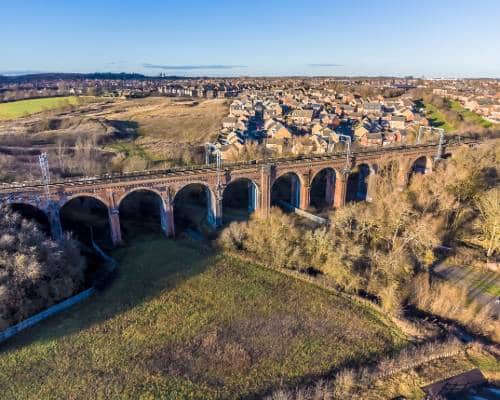
From 1930s steel-worker terraces to sprawling new developments, the housing stock in Corby spans nearly a century of growth and is still ...
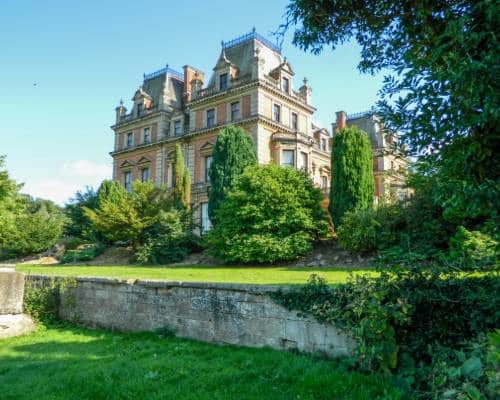
Corby is a fast-growing North Northamptonshire town that's becoming more and more of an attractive choice for investors, landlords and te...

Last month it was revealed that Coventry City Council was stepping up the hunt for unlicensed HMOs, following complaints from residents a...