FREE Landlord
Compliance Checklist
Use our 63-point checklist to verify
that your rental property is compliant

Two streets in Rushden can look almost identical from the outside, yet differ significantly in rental demand, tenant profile, and long-term value.
The difference often comes down to which side of a school catchment boundary a road falls on, how close it sits to the A6 corridor, or whether it benefits from the kind of established period housing that holds its appeal regardless of what the wider market is doing. Choosing the right street and a rental investment in Rushden is more likely to perform well but if you get it wrong by half a mile you could be fighting harder for tenants and accepting lower rents.
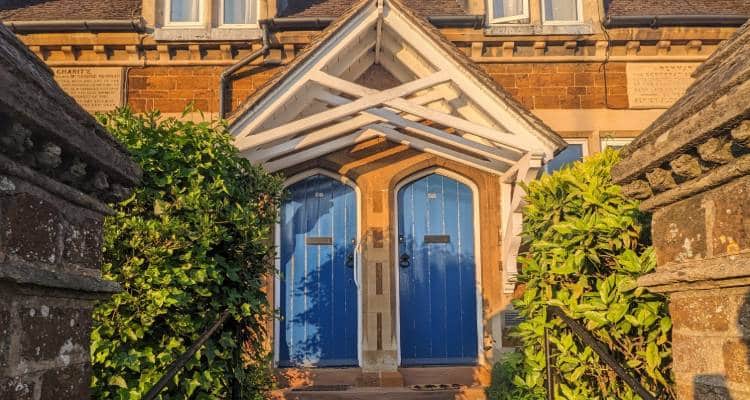
Rushden is made up of two contrasting areas, an older one concentrated around the High Street and the streets close to St Mary’s Church, which carry the character of a Victorian and Edwardian shoe-manufacturing town, with terraced housing stock that has aged well and now attracts tenants who want period character at accessible rents.
Further out, the town opens into inter-war semis, post-war estates, and, increasingly, new-build developments on its southern and eastern edges. The Rushden East Sustainable Urban Extension and the Bellway scheme off Bedford Road will add thousands of homes over the coming years, reshaping which parts of town feel central and which feel peripheral. Understanding how the town divides now, before those changes bed in, matters for anyone choosing a street to invest in or rent on.
This guide covers Rushden’s streets and micro-locations in detail, explaining which roads consistently attract the strongest demand, how the town’s distinct pockets differ from one another, what drives price and rent variation between neighbouring streets, and where the less obvious opportunities sit.
Rushden’s most sought-after streets share a set of recognisable qualities including period architecture in good condition, reasonable garden depth, proximity to the town’s green spaces or the High Street, and clear distance from the industrial corridors on the town’s edges. The following roads consistently stand out:
For landlords assessing yield rather than capital growth, the Victorian terraced streets in the central core, including parts of John Street, Alfred Street, and Queen Street, offer a different kind of premium. These streets offer lower acquisition costs relative to rental income, and tenant demand that has remained consistent because the housing stock is genuinely well-built and the location is walkable to the High Street and local amenities.
Average prices across Rushden stand at around £265,000 according to Rightmove data in July 2026, but that figure masks significant variation by street type and location. Period terraces in the central core typically transact below that average, while larger detached and semi-detached properties on the town’s northern and western edges sit above it.
Rushden divides into several recognisable pockets, each with its own character, price point, and tenant or buyer profile. The table below sets out the main zones.
| Zone | Character | Who it suits | Price indicator |
|---|---|---|---|
| Historic core (Church St, College St, High St area) | Victorian and Edwardian terraces, walkable to amenities | Young professionals, couples, tenants wanting period character | Below town average; strong yields |
| Northern residential (Newton Road, Rectory Road area) | Inter-war semis and detached homes, quieter streets | Families, longer-term tenants, owner-occupiers | Around or modestly above town average |
| Southern edge (Bedford Road, new-build zone) | Modern stock, Bellway scheme under development | First-time buyers, new-build tenants, families | Variable; new-build premium on completion |
| Eastern fringe (A6 corridor, Rushden East SUE) | Mixed, transitional; large-scale development incoming | Investors buying ahead of infrastructure improvement | Currently below average; long-term upside |
| Rushden Lakes proximity (north-eastern fringe) | Newer housing, retail and leisure access | Families, car-dependent tenants, retail workers | Around town average; improving |
The historic core is the most established rental market in Rushden. The terraced streets within walking distance of the High Street have a settled tenant population and relatively low void periods. The housing stock is older, which means maintenance costs need factoring in, but the properties are well-built and the locations are genuinely convenient.
The northern residential pocket around Newton Road and Rectory Road is the area most popular with family tenants and owner-occupiers seeking space. The school catchment areas for Rushden’s primary schools influence which specific streets attract the strongest family demand.
The southern edge, where Bellway Homes has outline planning permission for up to 450 new homes off Bedford Road, will change the character of that part of town as development progresses. New-build stock is already attracting tenants who prioritise energy efficiency and modern layouts over period character.
The Rushden East Sustainable Urban Extension, being promoted by Barratt Developments and Taylor Wimpey on land to the east of the A6 bypass, is the most significant long-term development in the area. Approximately 2,500 homes are planned, alongside employment space, two new primary schools, and a secondary school. Streets and roads in the eastern fringe currently sit at or below the town average, but the infrastructure investment associated with a development of this scale is likely to shift that over time.
Rectory Road and its immediate neighbours in the northern residential area offer a quality of street environment that isn’t always reflected in asking prices. The housing here is solid inter-war stock with good garden depth, and the road is quiet enough without being remote from the town centre. Tenants who know Rushden well tend to target this area; those researching from outside often overlook it in favour of more obviously named streets.
The streets immediately west of the High Street, including parts of Cromwell Road and Fitzwilliam Street, sit in a transitional zone that has improved noticeably as the High Street has retained more of its independent retail offer than many comparable market towns. These streets carry lower prices than the most prominent Victorian roads further east, but the fundamentals are similar, with well-built terraces, a walkable location, and consistent rental demand.
The area around Rushden Lakes on the north-eastern fringe is worth watching for a different reason. The retail and leisure complex has been a significant draw since it opened, and the residential streets closest to it have benefited from improved perception of that part of town. The planned Rushden Gateway development, which includes a new Aldi, EV charging, and additional retail space opposite Rushden Lakes, is likely to reinforce that effect if it proceeds. Streets in this pocket currently sit around the town average but could benefit from a higher than local average price growth as the Gateway scheme develops.
The eastern fringe and Rushden East may appeal more to long-term investors. The Sustainable Urban Extension is a long-term project, and the infrastructure improvements that would drive value uplift are years rather than months away. Investors buying in anticipation of that uplift need a longer horizon and an understanding of the disruption that large-scale construction brings to nearby streets.
Rushden’s property offering reflects its history as a shoe-manufacturing town. The Victorian and Edwardian expansion of the town, driven by the boot and shoe industry, produced a dense core of terraced housing in brick, with decorative detailing that is in better condition on some streets than others.
For a detailed analysis of Rushden’s property types, construction periods, and what to look for when assessing a specific property, our Rushden Property & Architecture guide covers those points in depth.
Rushden’s tenure mix reflects its position as an accessible, working town rather than a commuter hotspot or university city. Owner-occupation is the dominant tenure across most of the town, particularly in the inter-war and post-war residential streets to the north and west. The Victorian terraced core has a higher concentration of private rented properties, driven by the combination of lower prices and consistent tenant demand.
The streets closest to the High Street and the town centre amenities have the highest density of rental properties. Landlords operating in this zone benefit from a broad tenant pool of young professionals working locally or commuting to Kettering and Northampton, couples in the early stages of renting before buying, and some benefit-supported tenants where properties are managed accordingly.
The northern residential pocket around Newton Road has a more owner-occupier character, with rental properties tending to be larger family homes let to longer-term tenants. Void periods here are typically lower than in the more transient central market, but prices are higher and the tenant pool is narrower.
New-build streets on the southern edge, including those associated with the Bellway scheme off Bedford Road, are likely to develop a mixed tenure character as the development completes. New-build rental properties in this location will appeal to tenants who prioritise modern energy standards and the practical benefits of a new home.
For landlords assessing which part of Rushden best fits their investment strategy, the central terraced streets offer the strongest yield metrics, while the northern residential pocket offers stability and lower management responsibility. The eastern fringe and new-build southern edge offer longer-term potential but require a patient approach.
Several significant development schemes are in progress or planned, and their likely impact on specific streets and zones is worth understanding before committing to a location.
Taken together, the development pipeline points to the southern and eastern edges of Rushden as the areas of greatest change. Investors and tenants choosing streets in those zones should factor in both the disruption of the build phase and the longer-term improvement in amenity and infrastructure that large-scale development typically brings.
The Victorian terraced streets in Rushden’s historic core, including Church Street, College Street, John Street, and Alfred Street, offer strong rental demand and competitive yields. The northern residential area around Newton Road is better suited to landlords seeking larger family homes with stable, longer-term tenants.
The southern edge around Bedford Road and the eastern fringe near the A6 bypass are seeing the most significant development activity. Bellway Homes has outline permission for 450 homes off Bedford Road, and the Rushden East Sustainable Urban Extension plans approximately 2,500 homes to the east of the A6, alongside schools and employment space.
Rental levels in Rushden are driven by property size and period, proximity to the town centre and amenities, school catchment access, and distance from industrial areas like the Sanders Lodge estate. Streets with off-street parking and good tree cover also tend to attract a slight premium over otherwise comparable roads.
Rushden offers accessible entry prices, with an average of around £265,000, and consistent rental demand from its working population. The central terraced streets offer the strongest yields, while the development zones on the southern and eastern edges present a longer-term growth case as infrastructure investment comes forward.
School catchment proximity is a key factor in the northern residential pocket, where family tenants prioritise access to local primary schools. Catchment boundaries can change annually, so buyers and tenants should always verify current boundaries directly with North Northamptonshire Council or via the gov.uk school finder before making a decision.
Having identified which pocket of Rushden suits your priorities, the practical next step is talking to an agent who knows the town’s streets at a granular level. Whether you’re a landlord assessing which road will perform best for your portfolio or a tenant narrowing down your search to a specific area, contact us to discuss what’s available and what fits. Landlords can also find out more about our full range of landlord services covering everything from lettings management to HMO and portfolio support.
Use our 63-point checklist to verify
that your rental property is compliant
Contact us, and we will be more than happy to help you.
"*" indicates required fields

From 1930s steel-worker terraces to sprawling new developments, the housing stock in Corby spans nearly a century of growth and is still ...
Two streets in Corby can look identical on a map yet deliver different results for landlords and tenants. With over 10,000 homes in the ...
Corby is a fast-growing North Northamptonshire town that's becoming more and more of an attractive choice for investors, landlords and te...